
Now Reading: 9 Smart Kitchen Food Storage Ideas for Small Spaces
-
01
9 Smart Kitchen Food Storage Ideas for Small Spaces
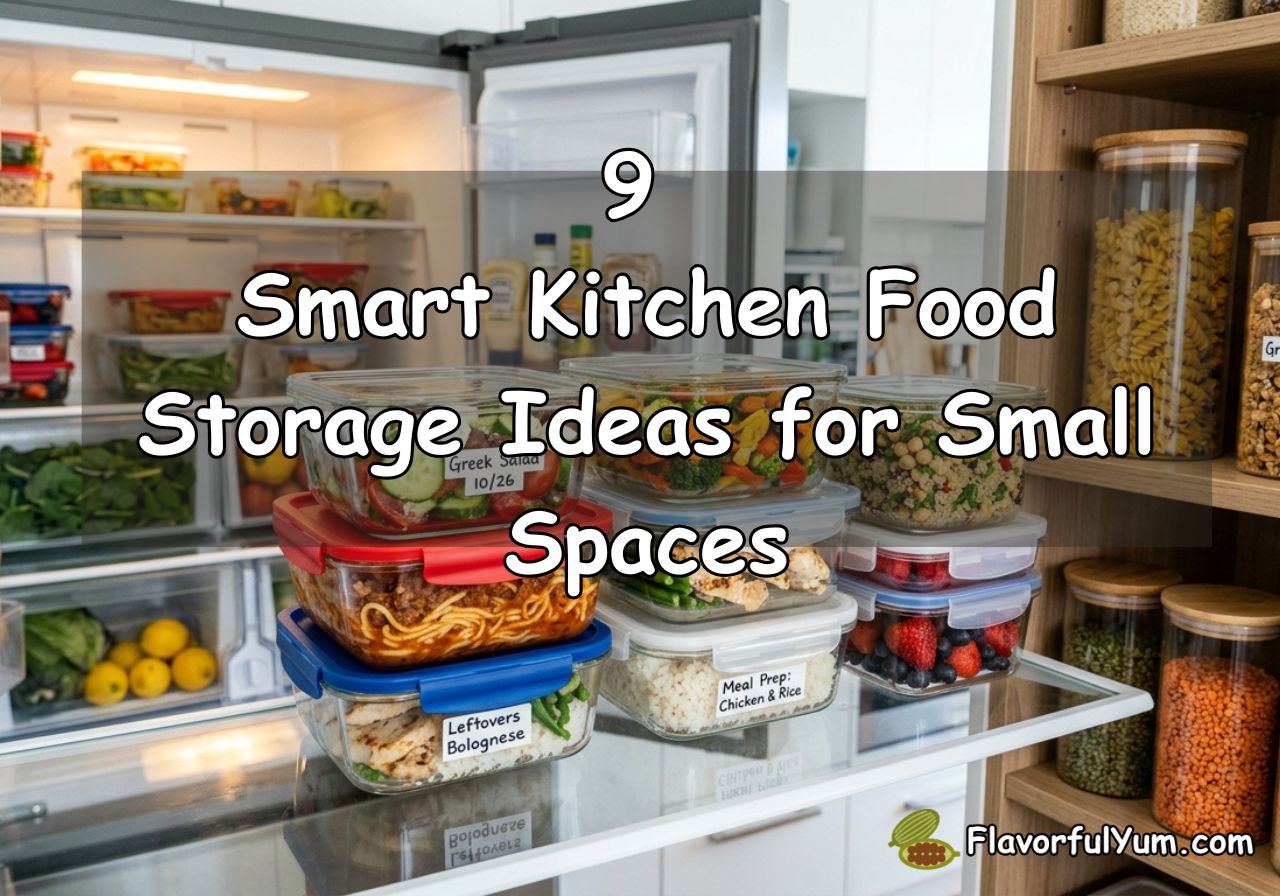
Managing a small kitchen can feel like a puzzle. I know this because I have faced cramped counters, overflowing cupboards, and limited pantry space. Over time, I discovered strategies that make the kitchen feel larger and more organized. Here are nine smart ideas for storing food in small kitchens.
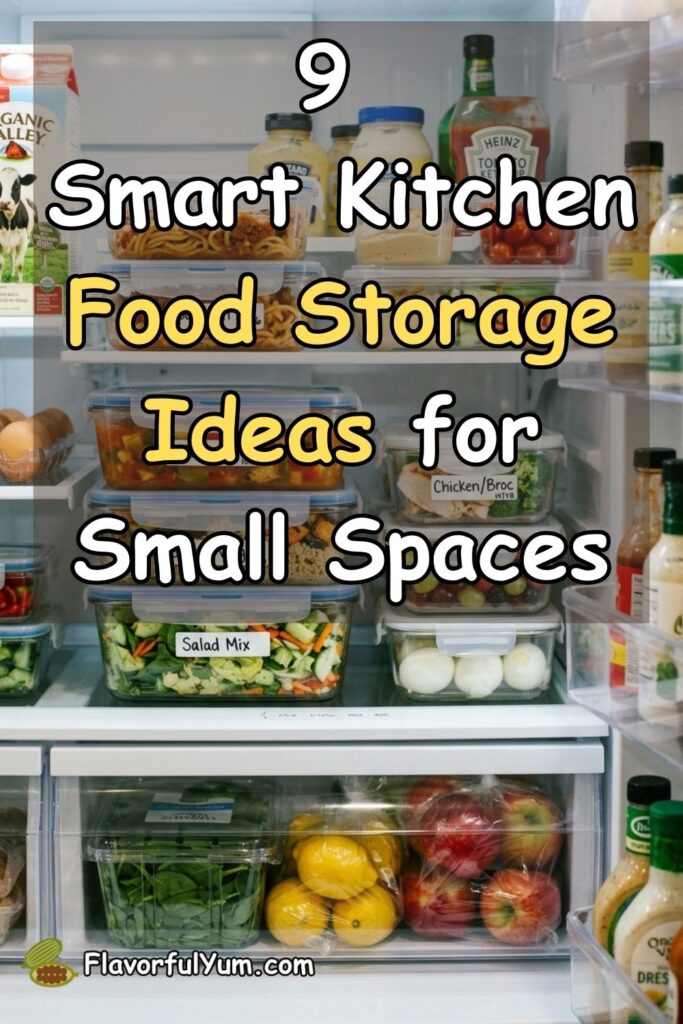
1. Use Clear Storage Containers
I keep most of my dry goods in clear containers. They show the contents at a glance and help me avoid buying duplicates. Using uniform containers also saves space because I can stack them neatly.
- Store pasta, rice, and beans in tall, narrow containers.
- Label each container with the item name and expiration date.
- Stack containers vertically to use unused height in cabinets.
This method helps me see what I have and reduces waste.
2. Install Pull-Out Pantry Shelves
Small kitchens often have narrow pantries. Pull-out shelves turn wasted deep space into usable storage. I can reach items at the back without moving the front items.
- Use sliding wire racks for cans and jars.
- Add small baskets for snacks or spice packets.
- Adjust shelf height to store taller bottles or cereal boxes.
Pull-out shelves make it easy to organize and access everything quickly.
3. Hang Items on the Wall
Wall space is often overlooked. I use hooks, rails, and magnetic strips to free up counter and cabinet space.
- Hang pots, pans, and utensils near the stove.
- Use magnetic strips for knives or spice tins.
- Install small shelves for jars and cans.
By using vertical space, I keep counters clear and cooking more enjoyable.
4. Store Food in Baskets
Baskets are versatile. I place them in cabinets, on shelves, or inside the fridge. They group similar items together, which keeps small spaces tidy.
- Use one basket for breakfast items like oatmeal and granola.
- Use another basket for snacks or lunch items.
- Line baskets with a non-slip mat to prevent sliding.
Baskets make it easy to grab what I need without digging through cluttered shelves.
5. Use the Inside of Cabinet Doors
The inside of cabinet doors is wasted space if ignored. I attach racks, hooks, or small baskets to these doors.
- Store cutting boards, wraps, and aluminum foil in door-mounted racks.
- Hang measuring spoons and cups for quick access.
- Use small spice racks for jars.
This idea helps me use every inch of space efficiently.
6. Opt for Multi-Purpose Storage
I choose storage that serves multiple purposes. Some containers double as bowls, and some racks hold multiple types of food.
- Nesting bowls save space in cabinets.
- Stackable containers can hold dry goods, snacks, or leftovers.
- Collapsible storage boxes fold flat when not in use.
Multi-purpose items reduce clutter and make organizing easier.
7. Rotate and Reorganize Frequently
Small kitchens require frequent rotation. I make it a habit to reorganize every few weeks. This prevents items from getting lost or expired.
- Check expiration dates while reorganizing.
- Move older items to the front and new items to the back.
- Donate or discard items I don’t use.
Rotating and reorganizing keeps the kitchen functional and prevents overcrowding.
8. Use Stackable and Modular Containers
Stackable containers make the most of vertical space. Modular containers fit together like puzzle pieces. I can adjust layouts depending on what I store.
- Use square containers instead of round ones for better stacking.
- Group similar sizes together to create uniform stacks.
- Modular bins can hold fruits, vegetables, or pantry items.
These containers maximize space and make my kitchen look organized.
9. Keep Frequently Used Items Accessible
I store items I use often within easy reach. I put rarely used items on high shelves or in deep cabinets. This way, I don’t waste time searching while cooking.
- Keep oils, spices, and sauces near the stove.
- Place snacks and breakfast items at eye level.
- Store bulk items in lower cabinets or pantry corners.
Accessibility saves time and keeps the kitchen workflow smooth.
Bonus Tips
I also follow some simple rules to keep my small kitchen organized:
- Limit how many duplicates I keep.
- Group items by category: baking, snacks, breakfast, etc.
- Invest in storage solutions that fit my kitchen layout.
Over time, these habits make a small kitchen feel functional and spacious.
Conclusion
Small kitchens do not have to feel cramped. Using clear containers, pull-out shelves, wall storage, baskets, cabinet doors, multi-purpose items, rotation, stackable containers, and accessible organization can transform the space.
I find that these nine ideas reduce clutter, save time, and make cooking more enjoyable. Small spaces encourage smart solutions, and with the right strategies, even a tiny kitchen can feel open and organized.

It’s Eliana Hazel. I’m a 33-year-old wife and mom of two from Tennessee who loves cooking fresh, simple meals for my family. I shop for veggies at Walmart, try new recipes, and add my own twist to make them special. When I’m not in the kitchen, I enjoy yoga, meditation, and catching up with my friends over green smoothies. Here, I share family-tested recipes, easy cooking tips, and a little inspiration to make your kitchen a happy place.
Related Posts
Previous Post
Next Post


Hey, y’all! I’m Hazel!
I’m SO happy you’re here! I’m passionate about cooking fresh, homemade meals for my family and love sharing recipes that are simple, healthy, and full of flavor. Here on my blog, I believe in making food with love, experimenting with ingredients, and turning everyday meals into something special. In short, I believe that cooking at home brings families closer and makes life more joyful. >>> Learn more