
Now Reading: The Science Behind Protein: How Much Do You Really Need?
-
01
The Science Behind Protein: How Much Do You Really Need?
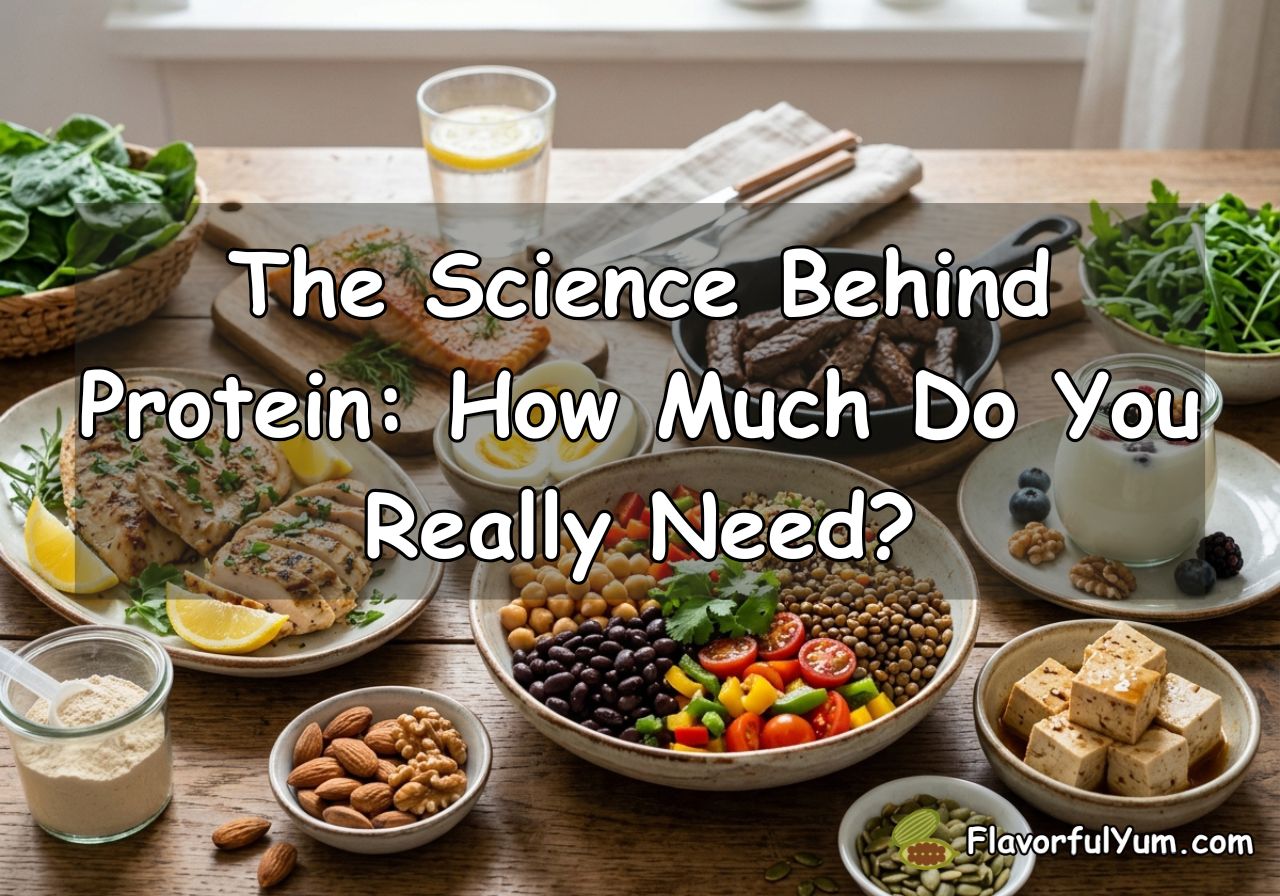
I used to feel confused about protein. I heard many numbers and rules. Some people said I needed very high amounts. Others said I needed very little. I decided to study the science and test what works for me. Now I keep my approach simple and practical.
In this article, I explain how protein works in the body. I also explain how much protein you really need. I share simple meal ideas that help you meet your daily needs without stress.
What Is Protein?
Protein is a macronutrient. The body uses protein to build and repair tissue. Protein also supports muscles, skin, and hair.
Protein contains amino acids. These are small units that act as building blocks. The body needs these blocks to stay strong and active.
There are two main types of amino acids:
- Essential amino acids
- Non-essential amino acids
The body cannot make essential amino acids. You must get them from food. I focus on foods that provide complete protein.
How Protein Works in the Body?
Protein supports many functions. I will explain them in a simple way.
Protein helps build muscle. When you exercise, muscle fibers break down. Protein helps repair and rebuild them.
Protein supports enzymes. Enzymes help the body carry out chemical reactions. These reactions keep the body running.
Protein also supports hormones. Hormones control many processes such as growth and appetite.
Protein helps the immune system. It supports the body when it fights illness.
When I eat enough protein, I feel stronger and more stable.
How Much Protein Do You Need?
The amount of protein depends on body weight and activity level.
A common guideline is:
- 0.8 grams of protein per kilogram of body weight for basic needs
If you are active, you may need more:
- 1.2 to 2.0 grams per kilogram for active people
I use a simple method. I multiply my weight by a target number. Then I spread protein across meals.
For example, if a person weighs 70 kg:
- Basic need: 56 grams per day
- Active need: 84 to 140 grams per day
I divide this across breakfast, lunch, and dinner.
Why Protein Matters for Daily Life?
Protein keeps me full for longer. It slows digestion. This helps control hunger.
Protein supports muscle strength. This helps with daily tasks and exercise.
Protein helps maintain a steady energy level. I do not feel sudden drops in energy.
Protein also supports weight balance. It helps reduce overeating.
Best Sources of Protein
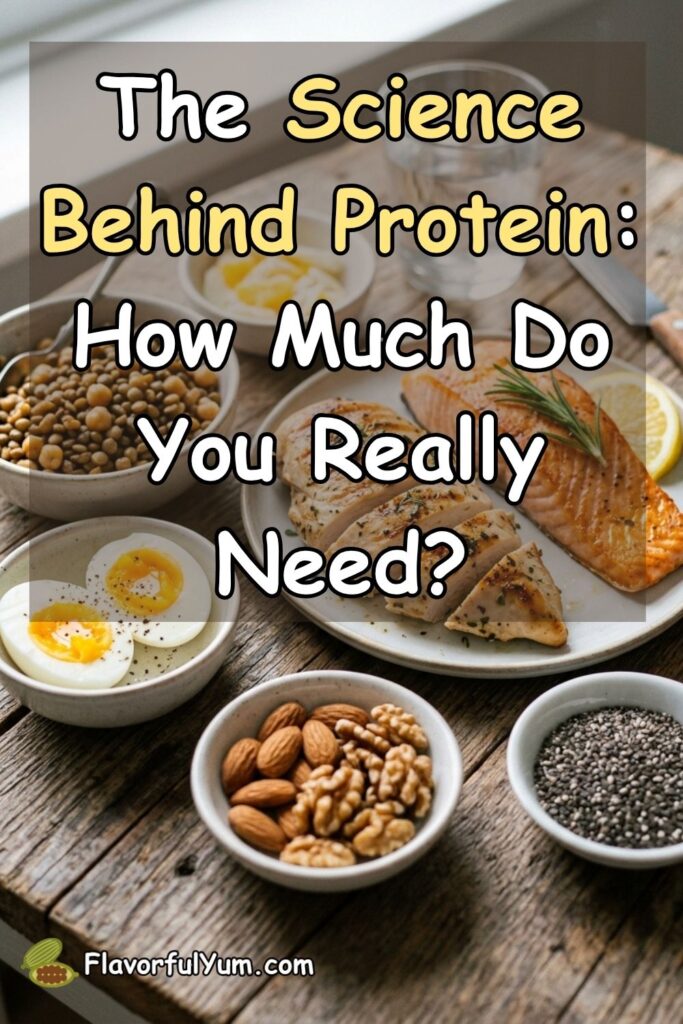
I choose a mix of animal and plant sources. This gives balance and variety.
Common protein sources include:
- Eggs
- Chicken
- Fish
- Yogurt
- Lentils
- Beans
- Nuts
- Seeds
I rotate these foods to keep meals interesting.
Complete vs Incomplete Protein
Complete protein contains all essential amino acids. These foods include:
- Eggs
- Fish
- Chicken
- Dairy
Incomplete protein lacks some amino acids. These foods include:
- Beans
- Grains
- Nuts
I combine plant foods to create complete protein. For example, rice and beans together form a complete protein.
Protein Timing: Does It Matter
Protein timing can help, but it does not need to be complex.
I spread protein across meals. This helps the body use it better.
I also include protein after exercise. This supports muscle repair.
I avoid eating all protein in one meal. Balanced intake works better for me.
Simple High-Protein Meal Recipes
I keep recipes easy and quick. Each recipe supports daily protein intake.
1. Egg and Avocado Breakfast Bowl
I like this meal because it feels filling and balanced.
Ingredients:
- 2 boiled eggs
- 1 avocado
- 1 slice whole grain bread
- Salt and pepper
Steps:
- Slice the eggs
- Cut the avocado
- Toast the bread
- Add all items to a bowl
- Sprinkle salt and pepper
2. Chicken Rice Protein Bowl
I use this meal for lunch.
Ingredients:
- 1 cooked chicken breast
- 1 cup cooked rice
- 1 cup vegetables
- 1 tablespoon olive oil
Steps:
- Slice the chicken
- Add rice to a bowl
- Add chicken and vegetables
- Drizzle olive oil
- Mix and serve
3. Greek Yogurt Protein Bowl
I enjoy this as a quick meal.
Ingredients:
- 1 cup Greek yogurt
- 1 tablespoon chia seeds
- 1 tablespoon nuts
- 1/2 cup berries
Steps:
- Add yogurt to a bowl
- Add berries
- Sprinkle seeds and nuts
- Mix and eat
4. Lentil Protein Soup
I make this when I want a warm meal.
Ingredients:
- 1 cup lentils
- 2 cups water
- 1 teaspoon salt
- 1 teaspoon spices
Steps:
- Add lentils and water to a pot
- Cook until soft
- Add salt and spices
- Stir and serve
5. Tuna Salad Bowl
I use this when I need a fast meal.
Ingredients:
- 1 can tuna
- 1 cup lettuce
- 1 tablespoon olive oil
- 1 teaspoon lemon juice
Steps:
- Add lettuce to a bowl
- Add tuna
- Drizzle olive oil and lemon juice
- Mix and serve
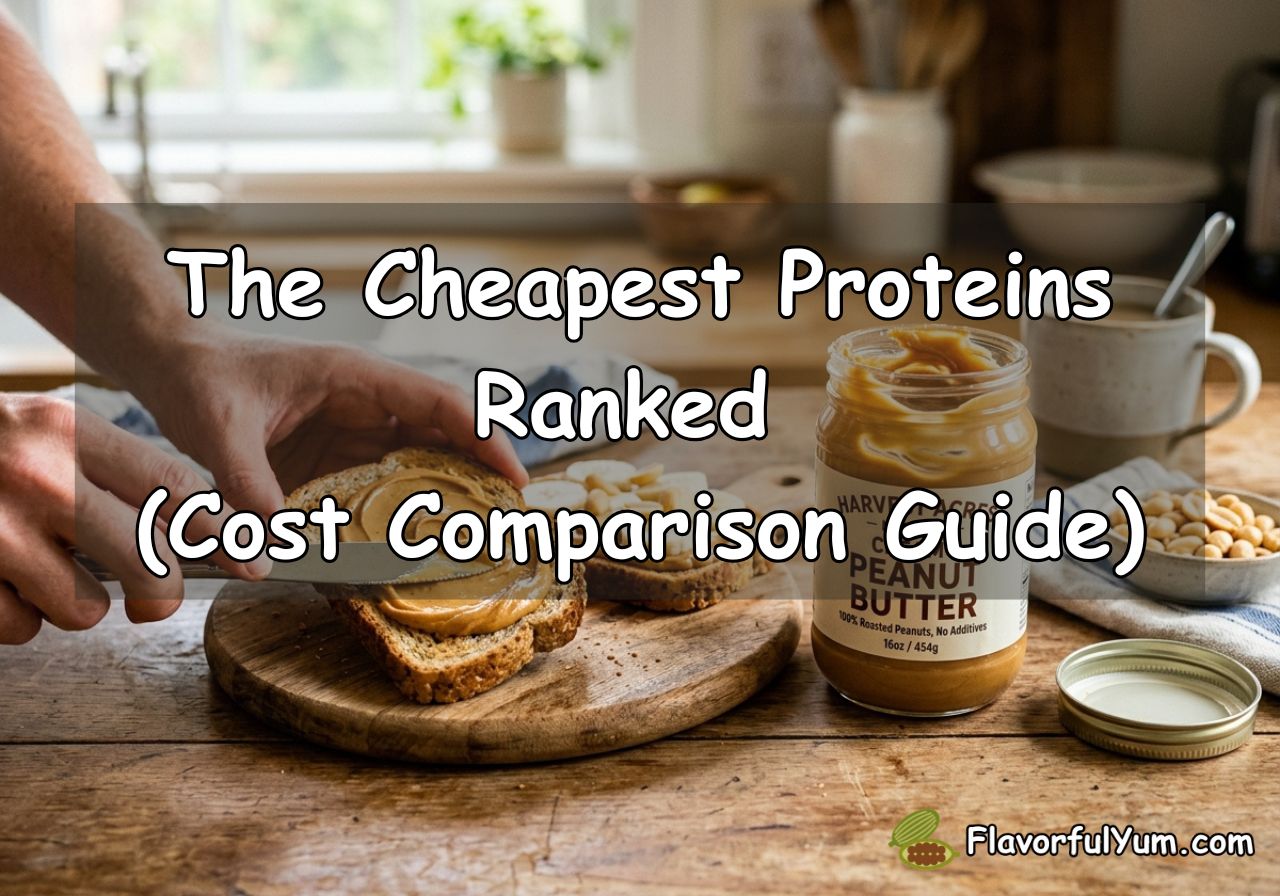
6. Peanut Butter Protein Wrap
I enjoy this as a snack or light meal.
Ingredients:
- 1 whole grain wrap
- 2 tablespoons peanut butter
- 1 banana
Steps:
- Spread peanut butter on wrap
- Place banana inside
- Roll the wrap
- Slice and serve
7. Grilled Fish Plate
I like this meal for dinner.
Ingredients:
- 1 fish fillet
- 1 cup vegetables
- 1 tablespoon olive oil
Steps:
- Grill the fish
- Cook vegetables
- Place on a plate
- Drizzle olive oil
8. Bean and Rice Bowl
I use this as a plant-based option.
Ingredients:
- 1 cup beans
- 1 cup rice
- 1 tablespoon olive oil
Steps:
- Add rice to a bowl
- Add beans
- Drizzle olive oil
- Mix and serve
9. Cottage Cheese Snack Bowl
I eat this when I need extra protein.
Ingredients:
- 1 cup cottage cheese
- 1 tablespoon seeds
- 1/2 cup fruit
Steps:
- Add cottage cheese to a bowl
- Add fruit
- Sprinkle seeds
- Mix and eat
Common Protein Myths
I used to believe these myths. I now follow simple facts.
Myth: More protein always gives better results
Truth: The body uses only what it needs
Myth: Protein builds muscle without exercise
Truth: Exercise and protein work together
Myth: Plant protein is not enough
Truth: Plant protein works when combined properly
Signs You May Need More Protein
I watch for simple signs:
- Constant hunger
- Low energy
- Weak muscles
- Slow recovery after exercise
When I notice these signs, I increase protein intake.
Can You Eat Too Much Protein?
Yes, very high intake can cause issues. The body may not use excess protein.
Too much protein can strain digestion. Balance is important.
I stay within a reasonable range. I focus on quality and portion size.
Final Thoughts
I believe protein plays a key role in daily health. It supports strength, energy, and recovery.
I keep my approach simple. I calculate my needs. I spread protein across meals. I choose whole foods.
You can start with small changes. Add protein to each meal. Track how you feel. Adjust as needed.
This simple method works for me, and it can work for you too.

It’s Eliana Hazel. I’m a 33-year-old wife and mom of two from Tennessee who loves cooking fresh, simple meals for my family. I shop for veggies at Walmart, try new recipes, and add my own twist to make them special. When I’m not in the kitchen, I enjoy yoga, meditation, and catching up with my friends over green smoothies. Here, I share family-tested recipes, easy cooking tips, and a little inspiration to make your kitchen a happy place.
Related Posts
Previous Post
Next Post


Hey, y’all! I’m Hazel!
I’m SO happy you’re here! I’m passionate about cooking fresh, homemade meals for my family and love sharing recipes that are simple, healthy, and full of flavor. Here on my blog, I believe in making food with love, experimenting with ingredients, and turning everyday meals into something special. In short, I believe that cooking at home brings families closer and makes life more joyful. >>> Learn more