
Now Reading: The Cheapest Proteins Ranked (Cost Comparison Guide)
-
01
The Cheapest Proteins Ranked (Cost Comparison Guide)
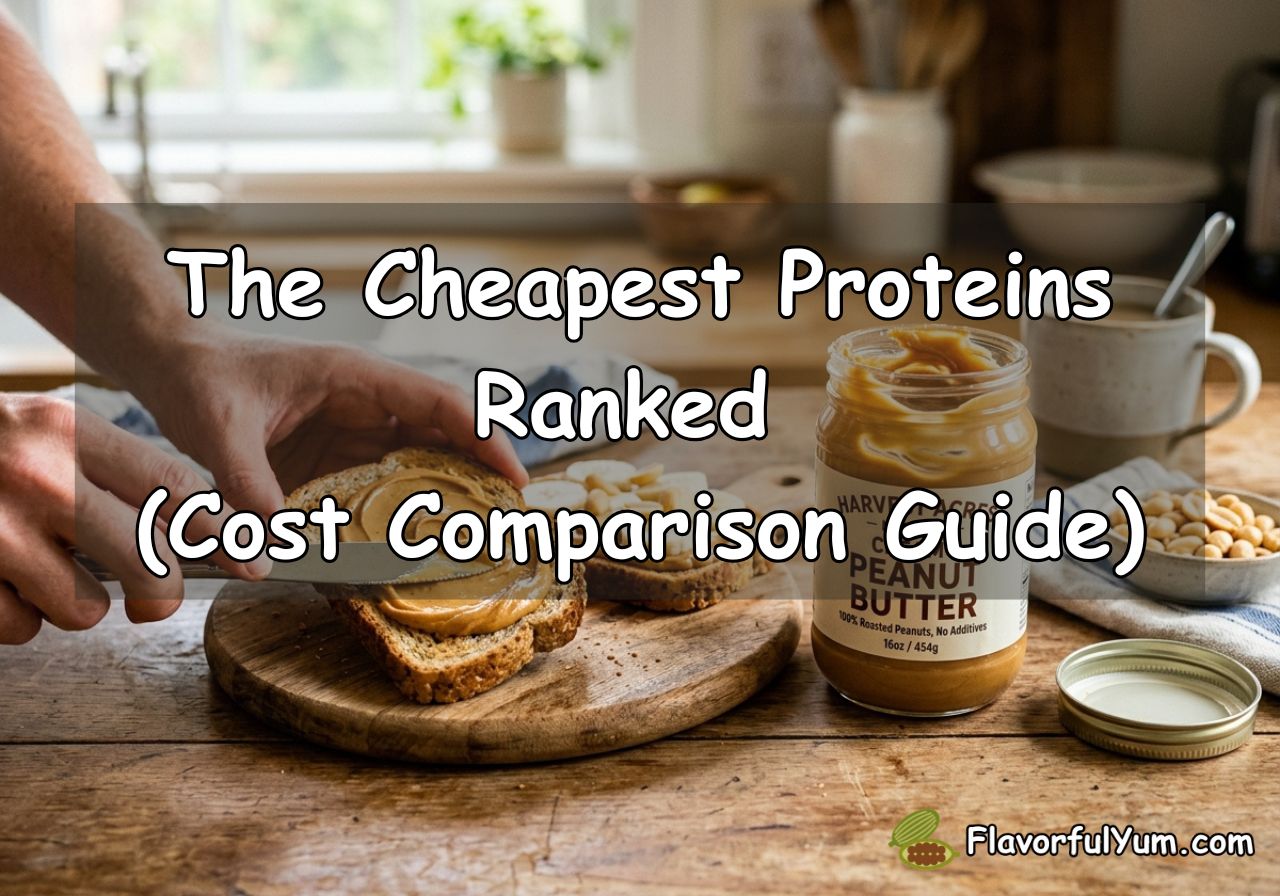
I track my food budget closely. I also track my protein intake. I noticed one key fact: protein cost changes a lot based on the source. Some foods give the same protein for half the price.
In this guide, I rank the cheapest protein sources based on cost per gram. I also explain how I use them in daily meals. This helps me eat well without spending too much.
How I Compare Protein Cost?
I use one simple rule: cost per gram of protein.
This method gives a clear comparison. It removes confusion from portion size or packaging.
For example:
- Lentils: very low cost per gram
- Eggs: low cost with high quality
- Chicken: moderate cost
- Beef: high cost
Studies show dried beans and lentils can cost as low as $0.02 per gram of protein, while chicken costs more per gram .
This difference adds up over time.
The Cheapest Proteins Ranked
I ranked these foods from lowest cost to higher cost based on real data and average prices.
1. Lentils and Dried Beans (Cheapest)
I always start with lentils. They give the most protein for the lowest cost.
- Cost: about $0.02 per gram
- High fiber and nutrients
- Long shelf life
Dry legumes are the cheapest protein source available in most markets .
I use them often because they are easy to cook and store.
2. Peanut Butter
I use peanut butter when I need quick protein.
- Cost: about $0.03 per gram
- Easy to store
- Works in sweet and savory meals
Two tablespoons give about 7–8 grams of protein at a low price .
3. Eggs
I rely on eggs for daily meals.
- Cost: about $0.04 per gram
- Complete protein
- Easy to cook
Eggs provide strong nutrition and remain one of the most affordable protein foods .
4. Canned Tuna
I use tuna when I want a fast meal.
- Cost: low to moderate
- 30–40 grams protein per can
- No cooking needed
Canned fish offers high protein at a low price compared to fresh fish .
5. Chicken Thighs
I choose thighs instead of breast to save money.
- Lower cost than chicken breast
- High protein content
- Good for meal prep
Chicken thighs often cost less while providing similar protein .
6. Yogurt and Cottage Cheese
I add dairy for variety.
- Moderate cost
- High protein per serving
- Good for gut health
These foods offer affordable protein with added nutrients .
7. Tofu and Soy Products
I use tofu as a plant option.
- Affordable
- Complete protein
- Easy to cook
Soy-based foods provide a strong protein option for low cost.
8. Oats
I include oats even though they are not pure protein.
- Very cheap
- Moderate protein
- High fiber
Oats provide about 13 grams of protein per 100 grams .
9. Nuts and Seeds
I use these in small amounts.
- Higher cost
- Good nutrients
- Good fats
They are not the cheapest per gram, but they add value to meals.
Cost Comparison Table (Simple View)
Here is how I think about cost ranking:
- Cheapest: Lentils, beans
- Very cheap: Peanut butter, oats
- Cheap: Eggs
- Moderate: Tuna, chicken thighs
- Higher: Dairy, nuts
This ranking helps me plan meals quickly.
Why Plant Proteins Cost Less?
I noticed that plant proteins cost less than meat.
There are a few reasons:
- Lower production cost
- Longer shelf life
- Bulk storage
Experts confirm that beans and lentils cost much less than meat while still providing strong nutrition .
How I Build Cheap High-Protein Meals?
I follow a simple system:
- I start with a cheap base (lentils or rice)
- I add a protein (eggs or tuna)
- I include fats for balance
This method keeps meals affordable and filling.
Budget-Friendly High-Protein Recipes
I keep all recipes simple and low cost.
1. Lentil Protein Bowl
Ingredients:
- 1 cup cooked lentils
- 1 cup rice
- 1 tablespoon oil
- Salt
Steps:
- Add rice to a bowl
- Add lentils
- Add oil and salt
- Mix and serve
2. Peanut Butter Oat Bowl
Ingredients:
- 1/2 cup oats
- 1 tablespoon peanut butter
- 1 cup milk or water
Steps:
- Cook oats
- Add peanut butter
- Mix well
- Serve warm
3. Egg and Rice Plate
Ingredients:
- 2 eggs
- 1 cup rice
- Salt
Steps:
- Cook eggs
- Add rice to a plate
- Place eggs on top
- Add salt
4. Tuna Salad Bowl
Ingredients:
- 1 can tuna
- 1 cup vegetables
- 1 tablespoon oil
Steps:
- Add vegetables to a bowl
- Add tuna
- Add oil
- Mix and serve
5. Chicken Thigh Meal
Ingredients:
- 1 chicken thigh
- 1 cup rice
- 1 cup vegetables
Steps:
- Cook chicken
- Cook rice
- Add all to a plate
- Serve
6. Yogurt Protein Bowl
Ingredients:
- 1 cup yogurt
- 1 tablespoon seeds
- 1 fruit
Steps:
- Add yogurt to a bowl
- Add fruit
- Add seeds
- Mix
7. Tofu Stir Bowl
Ingredients:
- 1 cup tofu
- 1 cup vegetables
- 1 tablespoon oil
Steps:
- Cook tofu
- Add vegetables
- Add oil
- Stir and serve
8. Bean and Bread Meal
Ingredients:
- 1 cup beans
- 2 slices bread
Steps:
- Heat beans
- Serve with bread
9. Oat and Egg Combo
Ingredients:
- 1/2 cup oats
- 1 egg
Steps:
- Cook oats
- Cook egg
- Serve together
Tips I Use to Save Money on Protein
I follow these habits daily:
- I buy dry foods in bulk
- I choose cheaper cuts of meat
- I use plant proteins often
- I avoid processed protein snacks
- I plan meals in advance
These steps reduce my food cost.
Common Mistakes I Avoid
I made these mistakes before:
- Buying only expensive meat
- Ignoring plant protein
- Wasting food
- Not tracking cost
Now I stay aware of both nutrition and price.
Final Thoughts
I believe protein does not need to be expensive. I keep my meals simple. I choose foods with low cost per gram.
Lentils, beans, eggs, and peanut butter form the base of my diet. These foods help me meet protein goals without stress.
You can follow the same approach. Start with one cheap protein source. Build meals around it. Keep things simple and consistent.
This method works for me every day. It can work for you too.

It’s Eliana Hazel. I’m a 33-year-old wife and mom of two from Tennessee who loves cooking fresh, simple meals for my family. I shop for veggies at Walmart, try new recipes, and add my own twist to make them special. When I’m not in the kitchen, I enjoy yoga, meditation, and catching up with my friends over green smoothies. Here, I share family-tested recipes, easy cooking tips, and a little inspiration to make your kitchen a happy place.
Related Posts


Previous Post
Next Post



Hey, y’all! I’m Hazel!
I’m SO happy you’re here! I’m passionate about cooking fresh, homemade meals for my family and love sharing recipes that are simple, healthy, and full of flavor. Here on my blog, I believe in making food with love, experimenting with ingredients, and turning everyday meals into something special. In short, I believe that cooking at home brings families closer and makes life more joyful. >>> Learn more