
Now Reading: Gluten-Free on a Budget: How to Save Money?
-
01
Gluten-Free on a Budget: How to Save Money?
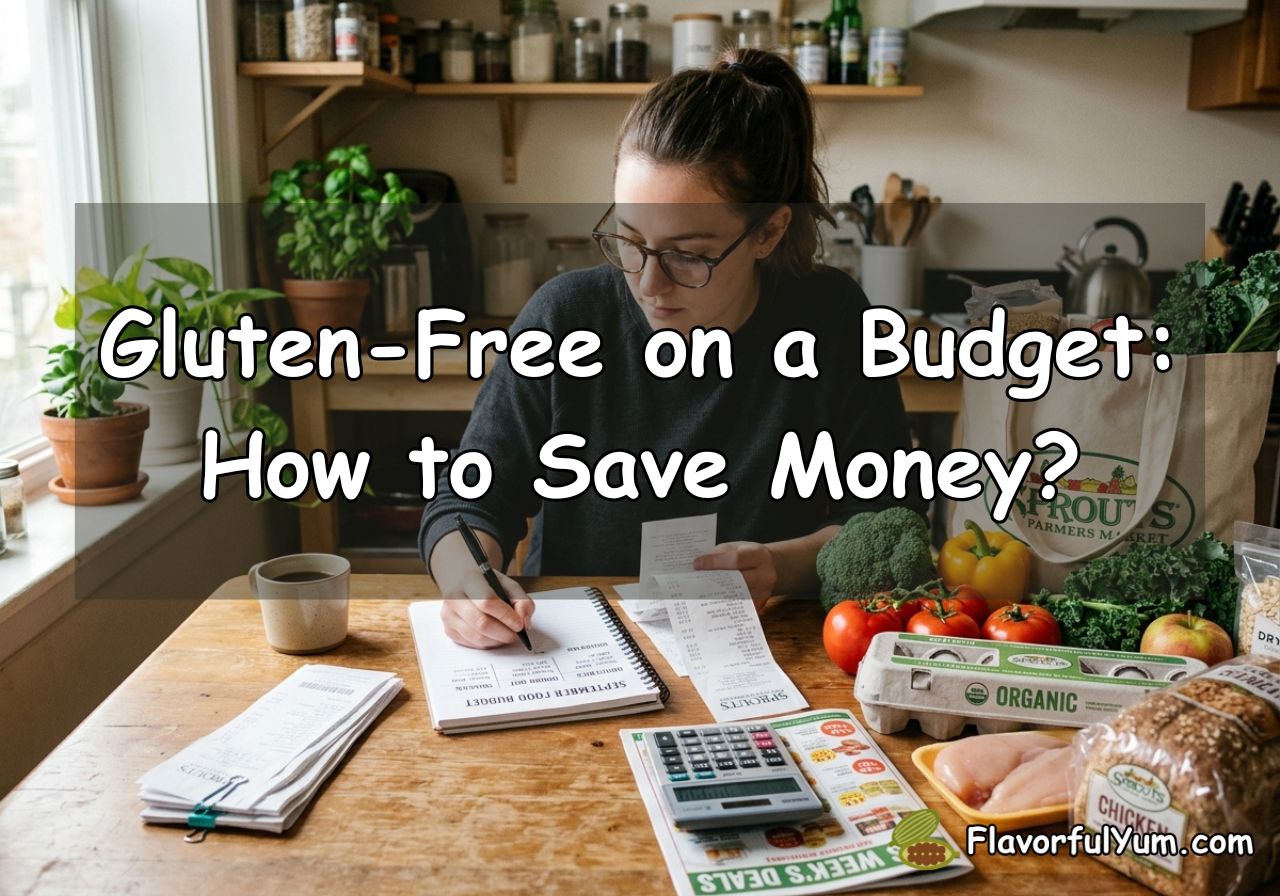
I follow a gluten-free diet, and I also manage a tight budget. At first, I thought this would be hard. Many gluten-free products cost more than regular food. I felt limited and frustrated. Over time, I learned a simple truth. I do not need expensive packaged food to eat gluten-free. I can use basic whole foods and save money.
In this article, I explain how I eat gluten-free without overspending. I share clear steps, smart shopping habits, and simple recipes. You can follow these ideas and reduce your food cost.
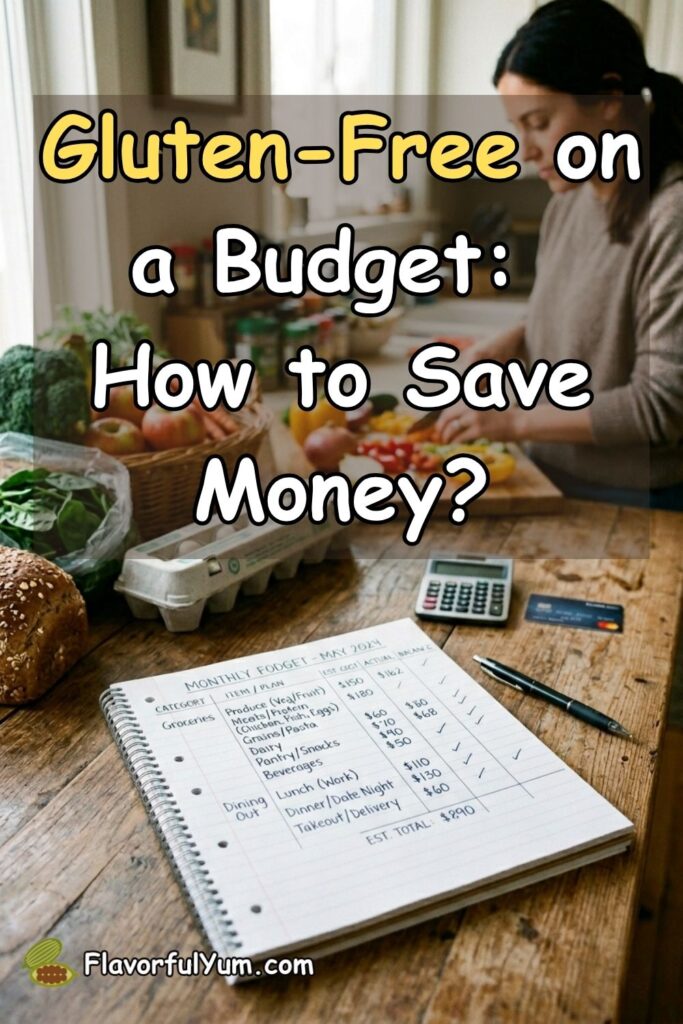
What Does Gluten-Free Mean?
Gluten is a protein found in wheat, barley, and rye. People avoid gluten for health reasons. Some people have intolerance. Others want better digestion.
A gluten-free diet removes foods like:
- Bread made with wheat
- Pasta made with wheat
- Many processed snacks
I focus on foods that do not contain gluten naturally. This makes my meals simple and affordable.
Why Gluten-Free Food Can Cost More?
I noticed that packaged gluten-free products cost more. This happens for a few reasons:
- Special production methods
- Smaller demand
- Extra labeling costs
For example, gluten-free bread often costs more than regular bread. I avoid relying on these products.
I save money by using natural foods instead of packaged items.
The Cheapest Gluten-Free Foods I Use
I build my meals around low-cost gluten-free foods. These foods are easy to find and store.
My main choices include:
- Rice
- Potatoes
- Lentils
- Beans
- Eggs
- Vegetables
- Fruits
- Oats labeled gluten-free
These foods form the base of my diet. They cost less and provide strong nutrition.
How I Shop Gluten-Free on a Budget?
I follow simple shopping rules. These help me stay within budget.
- I buy whole foods instead of packaged items
- I choose store brands
- I buy in bulk when possible
- I check labels carefully
- I plan meals before shopping
Planning helps me avoid waste. It also prevents impulse buying.
How I Replace Expensive Gluten-Free Products?
I stopped buying costly substitutes. Instead, I use simple replacements.
Examples:
- I use rice instead of gluten-free pasta
- I use potatoes instead of bread
- I use lettuce wraps instead of tortillas
These swaps reduce cost and keep meals simple.
Cooking at Home Saves Money
I cook most of my meals at home. This gives me control over ingredients and cost.
Eating out with gluten-free options often costs more. I avoid this by preparing food in advance.
Meal prep helps me save both time and money.
Budget-Friendly Gluten-Free Recipes
I keep recipes simple. I use low-cost ingredients. Each recipe is easy to prepare.
1. Rice and Lentil Bowl
Ingredients:
- 1 cup rice
- 1 cup cooked lentils
- 1 tablespoon oil
- Salt
Steps:
- Cook rice
- Cook lentils
- Add both to a bowl
- Add oil and salt
- Mix and serve
2. Potato Egg Plate
Ingredients:
- 2 potatoes
- 2 eggs
- Salt
Steps:
- Boil or cook potatoes
- Cook eggs
- Place on a plate
- Add salt
3. Bean and Rice Meal
Ingredients:
- 1 cup beans
- 1 cup rice
- 1 tablespoon oil
Steps:
- Cook rice
- Heat beans
- Add to a bowl
- Add oil
- Mix
4. Yogurt Fruit Bowl
Ingredients:
- 1 cup yogurt
- 1 fruit
- 1 tablespoon seeds
Steps:
- Add yogurt to a bowl
- Add fruit
- Add seeds
- Mix
5. Simple Vegetable Stir
Ingredients:
- 2 cups vegetables
- 1 tablespoon oil
- Salt
Steps:
- Heat oil in a pan
- Add vegetables
- Cook until soft
- Add salt
6. Gluten-Free Oat Bowl
Ingredients:
- 1/2 cup gluten-free oats
- 1 cup milk or water
- 1 teaspoon honey
Steps:
- Cook oats
- Add honey
- Mix and serve
7. Chicken and Rice Plate
Ingredients:
- 1 chicken piece
- 1 cup rice
- Salt
Steps:
- Cook chicken
- Cook rice
- Serve together
- Add salt
8. Lentil Soup
Ingredients:
- 1 cup lentils
- 2 cups water
- Salt
Steps:
- Add lentils and water to a pot
- Cook until soft
- Add salt
- Serve warm
9. Potato Vegetable Bowl
Ingredients:
- 2 potatoes
- 1 cup vegetables
- 1 tablespoon oil
Steps:
- Cook potatoes
- Cook vegetables
- Add to a bowl
- Add oil
- Mix
How I Avoid Hidden Gluten?
I always check labels. Some foods contain hidden gluten.
Common sources include:
- Sauces
- Processed snacks
- Packaged meals
I choose simple foods with fewer ingredients. This reduces risk and cost.
Meal Planning Helps Save Money
I plan my meals each week. This keeps my budget under control.
My method:
- I choose 3 to 4 main meals
- I repeat meals during the week
- I prepare food in advance
This reduces waste and saves time.
Buying in Bulk Reduces Cost
I buy staples in bulk when possible.
Examples:
- Rice
- Lentils
- Beans
Bulk buying lowers the cost per serving. It also ensures I always have food at home.
Eating Seasonal Foods Saves Money
I buy fruits and vegetables that are in season.
Seasonal foods cost less. They also taste better.
I adjust my meals based on what is available.
Common Mistakes I Avoid
I made several mistakes when I started.
- I bought too many packaged gluten-free products
- I ignored meal planning
- I wasted food
- I did not compare prices
Now I focus on simple habits that save money.
How I Balance Nutrition and Budget?
I focus on three key areas:
- Protein from beans, eggs, and lentils
- Carbohydrates from rice and potatoes
- Fats from oil and seeds
This balance supports energy and health.
Final Thoughts
I learned that a gluten-free diet does not need to be expensive. I keep my meals simple. I use whole foods. I avoid costly packaged products.
You can start small. Replace one expensive item with a simple option. Plan your meals. Buy in bulk. Cook at home.
These steps helped me save money and stay consistent. They can help you too.

It’s Eliana Hazel. I’m a 33-year-old wife and mom of two from Tennessee who loves cooking fresh, simple meals for my family. I shop for veggies at Walmart, try new recipes, and add my own twist to make them special. When I’m not in the kitchen, I enjoy yoga, meditation, and catching up with my friends over green smoothies. Here, I share family-tested recipes, easy cooking tips, and a little inspiration to make your kitchen a happy place.
Related Posts
Previous Post
Next Post


Hey, y’all! I’m Hazel!
I’m SO happy you’re here! I’m passionate about cooking fresh, homemade meals for my family and love sharing recipes that are simple, healthy, and full of flavor. Here on my blog, I believe in making food with love, experimenting with ingredients, and turning everyday meals into something special. In short, I believe that cooking at home brings families closer and makes life more joyful. >>> Learn more