
Now Reading: How to Break Through a Keto Weight Loss Plateau?
-
01
How to Break Through a Keto Weight Loss Plateau?
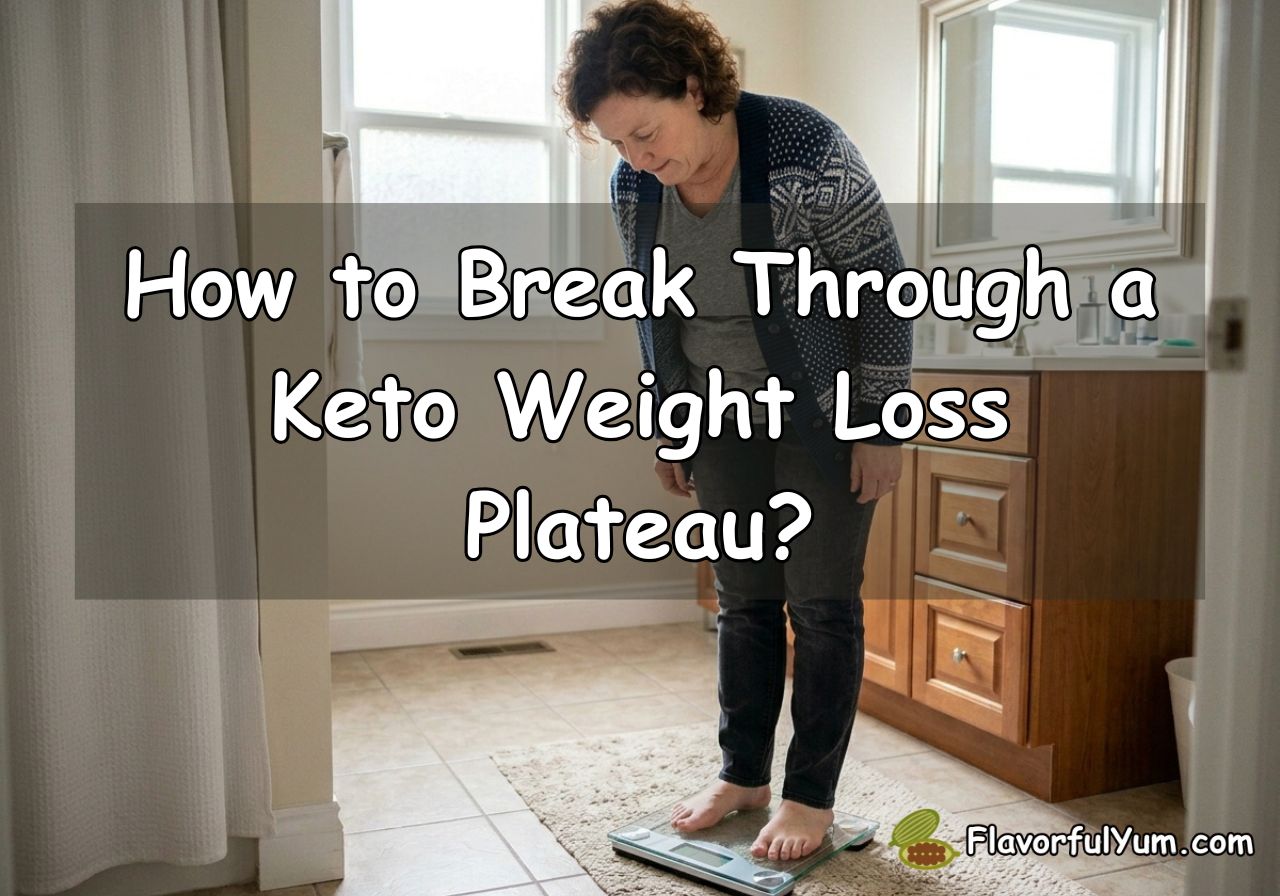
I followed a keto diet for months. At first, I saw steady weight loss. Then progress stopped. The scale did not move. I felt stuck and confused. I thought I was doing everything right.
I learned that a plateau is normal. The body adapts over time. It becomes efficient with energy use. This slows fat loss. I tested different methods and found simple ways to break the plateau.
In this article, I explain why keto plateaus happen. I also share clear steps that helped me restart progress. I include simple keto recipes that support fat loss.

What Is a Keto Plateau?
A keto plateau happens when weight loss stops for a period of time. You may follow the same plan, but results slow down.
This does not mean failure. It means the body has adjusted. The body now uses energy more efficiently.
I learned to see a plateau as a signal. It tells me to adjust my approach.
Why Keto Plateaus Happen?
I found several common reasons.
The body adapts to calorie intake. If I eat the same amount daily, the body adjusts.
Hidden carbs can also slow progress. Small amounts add up over time.
Portion size can increase without notice. This leads to extra calories.
Stress affects hormones. This can slow fat loss.
Lack of sleep also affects metabolism. The body needs rest to function well.
When I reviewed these factors, I found areas to improve.
Step 1: Track Your Food Intake
I started tracking everything I ate. This helped me see hidden calories.
I measured portion sizes. I checked labels carefully.
I noticed small snacks added extra calories. I removed them or reduced them.
Tracking gave me clear data. It helped me make better decisions.
Step 2: Adjust Your Macros
Keto relies on the right balance of fat, protein, and carbs.
I adjusted my intake:
- Low carbs
- Moderate protein
- High fat
I reduced carbs further when needed. I also avoided excess protein.
Too much protein can slow ketosis. Balance is key.
Step 3: Reduce Hidden Carbs
I checked foods that may contain hidden carbs.
These include:
- Sauces
- Processed snacks
- Flavored drinks
I switched to whole foods. This helped me stay within my carb limit.
Step 4: Add Intermittent Fasting
I introduced short fasting periods.
I used a simple method:
- Eat within 8 hours
- Fast for 16 hours
This helped my body use stored fat.
I noticed better energy and improved results.
Step 5: Increase Physical Activity
I added more movement to my day.
I included:
- Walking
- Strength training
- Short workouts
Exercise helps burn calories. It also supports muscle.
I kept my routine simple and consistent.
Step 6: Manage Stress and Sleep
I focused on recovery.
I improved sleep by keeping a fixed schedule.
I reduced stress with simple habits:
- Deep breathing
- Short breaks
- Quiet time
These changes helped my body function better.
Step 7: Cycle Calories
I changed my calorie intake slightly.
Some days I ate a bit more. Other days I ate less.
This prevented the body from adapting too much.
It helped restart fat loss.
Step 8: Stay Hydrated
I increased water intake.
Hydration supports metabolism. It also reduces hunger.
I drank water throughout the day.
This simple step made a difference.
Step 9: Check Electrolytes
Keto affects electrolyte balance.
I added:
- Sodium
- Potassium
- Magnesium
This improved energy and reduced fatigue.
Simple Keto Recipes for Breaking Plateaus
I keep meals simple and low in carbs. These recipes support fat loss and energy.
1. Avocado Egg Bowl
Ingredients:
- 2 eggs
- 1 avocado
- Salt
Steps:
- Cook eggs
- Slice avocado
- Add to a bowl
- Sprinkle salt
2. Chicken Salad Plate
Ingredients:
- 1 cooked chicken breast
- 1 cup lettuce
- 1 tablespoon olive oil
Steps:
- Slice chicken
- Add lettuce to a plate
- Add chicken
- Drizzle olive oil
3. Keto Tuna Bowl
Ingredients:
- 1 can tuna
- 1 tablespoon mayonnaise
- 1 cup greens
Steps:
- Mix tuna and mayonnaise
- Add greens to a bowl
- Add tuna mixture
4. Zucchini Stir Meal
Ingredients:
- 2 zucchinis
- 1 tablespoon oil
- Salt
Steps:
- Slice zucchini
- Heat oil
- Cook zucchini
- Add salt
5. Egg and Cheese Plate
Ingredients:
- 2 eggs
- 2 slices cheese
Steps:
- Cook eggs
- Place cheese on a plate
- Serve together
6. Salmon and Greens
Ingredients:
- 1 salmon fillet
- 1 cup greens
- 1 tablespoon oil
Steps:
- Cook salmon
- Add greens to a plate
- Add salmon
- Drizzle oil
7. Keto Yogurt Bowl
Ingredients:
- 1 cup low-carb yogurt
- 1 tablespoon seeds
Steps:
- Add yogurt to a bowl
- Add seeds
- Mix
8. Beef and Vegetable Plate
Ingredients:
- 1 beef portion
- 1 cup vegetables
- 1 tablespoon oil
Steps:
- Cook beef
- Cook vegetables
- Add to a plate
- Add oil
9. Avocado Smooth Bowl
Ingredients:
- 1 avocado
- 1/2 cup milk
- Ice
Steps:
- Blend all ingredients
- Pour into a bowl
- Serve
Common Mistakes I Avoid
I learned from my past mistakes.
- I stopped guessing portion sizes
- I reduced processed foods
- I avoided overeating fats
- I stayed consistent
These changes improved my results.
How I Stay Consistent?
I keep my routine simple.
- I plan meals
- I prepare food in advance
- I track progress weekly
Consistency matters more than perfection.
Final Thoughts
I learned that keto plateaus are normal. They do not mean failure. They show that the body needs a new approach.
I made small changes. I tracked my food. I improved sleep and activity. I adjusted my intake.
These steps helped me restart progress.
You can follow the same process. Start with one change. Then build on it. Keep things simple and steady.
This method worked for me, and it can work for you too.

It’s Eliana Hazel. I’m a 33-year-old wife and mom of two from Tennessee who loves cooking fresh, simple meals for my family. I shop for veggies at Walmart, try new recipes, and add my own twist to make them special. When I’m not in the kitchen, I enjoy yoga, meditation, and catching up with my friends over green smoothies. Here, I share family-tested recipes, easy cooking tips, and a little inspiration to make your kitchen a happy place.
Related Posts
Previous Post
Next Post

Hey, y’all! I’m Hazel!
I’m SO happy you’re here! I’m passionate about cooking fresh, homemade meals for my family and love sharing recipes that are simple, healthy, and full of flavor. Here on my blog, I believe in making food with love, experimenting with ingredients, and turning everyday meals into something special. In short, I believe that cooking at home brings families closer and makes life more joyful. >>> Learn more